


In the dynamic landscape of modern retail, businesses are constantly on the lookout for innovative solutions to enhance customer experiences, streamline operations, and drive sales. One such technology that has been making waves in the industry is the digital kiosk. As a digital kiosk supplier, I've witnessed firsthand the transformative potential of these devices in retail settings. In this blog post, I'll explore the question: Can a digital kiosk be used for retail services? Let's dive in.
The Rise of Digital Kiosks in Retail
The retail industry has undergone a significant transformation in recent years, driven by technological advancements and changing consumer expectations. Today's shoppers are more tech-savvy and demand seamless, personalized experiences both online and offline. Digital kiosks have emerged as a powerful tool to meet these demands, offering a range of benefits for retailers and customers alike.
One of the key drivers behind the adoption of digital kiosks in retail is the need to improve customer service. With long checkout lines and limited staff availability, customers often face frustrating wait times in traditional retail stores. Digital kiosks can help alleviate these issues by providing self-service options for tasks such as product information lookup, inventory checking, and even checkout. This not only reduces wait times but also empowers customers to take control of their shopping experience, leading to higher satisfaction levels.
Another advantage of digital kiosks is their ability to provide personalized recommendations and promotions. By leveraging customer data and analytics, retailers can use digital kiosks to offer targeted product suggestions based on a customer's past purchases, browsing history, and preferences. This personalized approach not only increases the likelihood of a sale but also enhances the overall shopping experience by making it more relevant and engaging for the customer.
In addition to improving customer service and providing personalized experiences, digital kiosks can also help retailers streamline their operations and reduce costs. For example, by automating tasks such as inventory management and pricing updates, retailers can free up staff time to focus on more value-added activities such as customer service and sales. Digital kiosks can also help reduce the need for printed materials such as brochures and flyers, which can be costly to produce and distribute.
Applications of Digital Kiosks in Retail
Digital kiosks can be used in a variety of retail settings and for a wide range of purposes. Here are some of the most common applications of digital kiosks in retail:

Product Information and Catalog Lookup
One of the most basic uses of digital kiosks in retail is to provide customers with product information and catalog lookup. By displaying detailed product descriptions, images, and specifications, digital kiosks can help customers make more informed purchasing decisions. This is particularly useful for retailers that offer a large selection of products or for products that are complex or technical in nature.
Inventory Checking
Digital kiosks can also be used to check inventory levels in real-time. By integrating with a retailer's inventory management system, digital kiosks can provide customers with up-to-date information on product availability, including in-store and online stock levels. This can help customers avoid the disappointment of finding out that a product they want is out of stock and can also help retailers manage their inventory more effectively.
Self-Checkout
Self-checkout is another popular application of digital kiosks in retail. By allowing customers to scan and pay for their purchases themselves, self-checkout kiosks can help reduce wait times at the checkout counter and improve the overall efficiency of the checkout process. This is particularly useful for retailers that experience high volumes of foot traffic or for customers who prefer a more self-service approach to shopping.
Loyalty Program Management
Digital kiosks can also be used to manage loyalty programs. By allowing customers to sign up for loyalty programs, check their points balance, and redeem rewards, digital kiosks can help retailers encourage repeat business and build customer loyalty. This is particularly useful for retailers that offer a loyalty program as part of their marketing strategy.
Wayfinding and Store Navigation
For large retail stores or shopping malls, digital kiosks can be used to provide customers with wayfinding and store navigation assistance. By displaying a map of the store or mall and highlighting the location of different departments, products, and services, digital kiosks can help customers find what they're looking for more quickly and easily. This can help improve the overall shopping experience and reduce customer frustration.
Types of Digital Kiosks for Retail
There are several types of digital kiosks that are commonly used in retail settings. Here are some of the most popular types:
Floor Standing Digital Kiosk
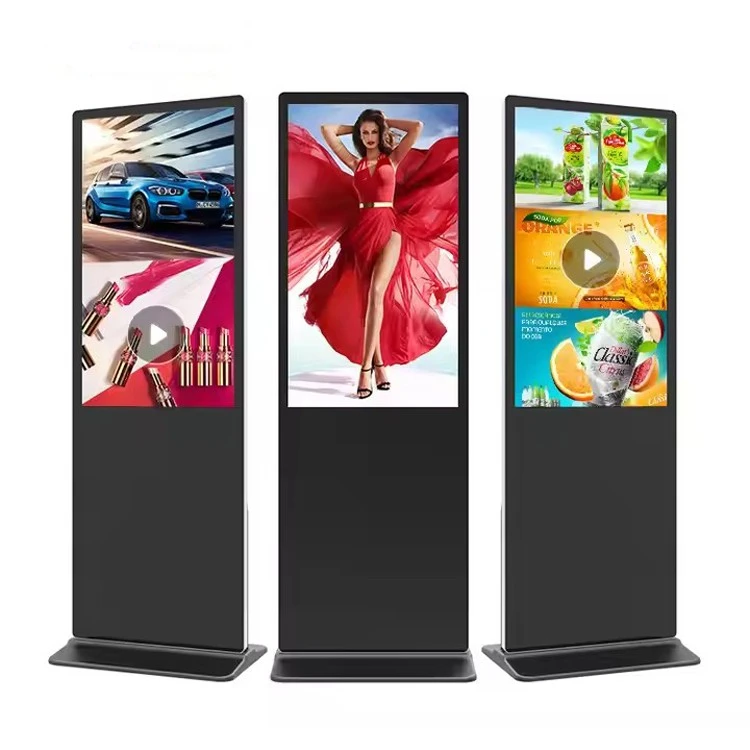
A Floor Standing Digital Kiosk is a freestanding kiosk that is typically placed on the floor of a retail store. These kiosks are often used for product information lookup, inventory checking, and self-checkout. Floor standing digital kiosks are available in a variety of sizes and configurations, and can be customized to meet the specific needs of a retailer.
Wall Mounted Digital Kiosk
A wall mounted digital kiosk is a kiosk that is mounted on a wall in a retail store. These kiosks are often used for wayfinding, store navigation, and product information lookup. Wall mounted digital kiosks are a space-saving option that can be used in areas where floor space is limited.
Countertop Digital Kiosk
A countertop digital kiosk is a kiosk that is placed on a countertop in a retail store. These kiosks are often used for self-checkout, loyalty program management, and product information lookup. Countertop digital kiosks are a convenient option that can be used in areas where customers are already standing, such as at the checkout counter or customer service desk.
Interactive Touch Screen Kiosk
An interactive touch screen kiosk is a kiosk that features a touch screen display. These kiosks are often used for product information lookup, inventory checking, and self-checkout. Interactive touch screen kiosks are a popular option because they are easy to use and provide a more engaging and interactive experience for the customer.
Considerations for Retailers
While digital kiosks offer a range of benefits for retailers, there are also some considerations that need to be taken into account before implementing them in a retail setting. Here are some of the key considerations for retailers:
Cost
The cost of implementing digital kiosks can vary depending on the type of kiosk, the features and functionality required, and the number of kiosks needed. Retailers need to carefully consider the cost of purchasing, installing, and maintaining digital kiosks before making a decision.
Integration
Digital kiosks need to be integrated with a retailer's existing systems and infrastructure, such as the point of sale (POS) system, inventory management system, and customer relationship management (CRM) system. Retailers need to ensure that the digital kiosks they choose are compatible with their existing systems and that the integration process is seamless.
User Experience
The user experience is a critical factor in the success of digital kiosks in a retail setting. Retailers need to ensure that the digital kiosks are easy to use, intuitive, and provide a seamless and engaging experience for the customer. This may require investing in user testing and design to ensure that the kiosks meet the needs and expectations of the target audience.
Security
Security is another important consideration when implementing digital kiosks in a retail setting. Retailers need to ensure that the digital kiosks are secure and protect customer data from unauthorized access and theft. This may require implementing security measures such as encryption, firewalls, and access controls.
Conclusion
In conclusion, digital kiosks have the potential to revolutionize the retail industry by providing a range of benefits for retailers and customers alike. From improving customer service and providing personalized experiences to streamlining operations and reducing costs, digital kiosks offer a powerful solution for retailers looking to stay competitive in today's digital age.
As a digital kiosk supplier, I'm excited to see the growing adoption of these devices in retail settings and the positive impact they are having on the industry. If you're a retailer interested in learning more about how digital kiosks can benefit your business, I encourage you to contact me to schedule a consultation. I'd be happy to discuss your specific needs and requirements and help you find the right digital kiosk solution for your business.
References
- Retail Dive. (2023). The rise of digital kiosks in retail. Retrieved from https://www.retaildive.com
- National Retail Federation. (2023). Digital kiosks: Transforming the retail experience. Retrieved from https://nrf.com
- Forbes. (2023). How digital kiosks are changing the future of retail. Retrieved from https://www.forbes.com