


In the dynamic world of display technology, LCD (Liquid Crystal Display) panels have emerged as a cornerstone, finding their way into a vast array of devices, from smartphones and tablets to large - scale televisions and industrial monitors. One of the crucial features that can significantly enhance the performance of an LCD panel is the anti - glare coating. As a trusted LCD panel supplier, I am excited to delve into the details of what anti - glare coating on an LCD panel is, its benefits, types, and how it impacts the overall user experience.
Understanding Anti - Glare Coating
Anti - glare coating, as the name suggests, is a special treatment applied to the surface of an LCD panel to reduce the amount of reflected light. When light hits an uncoated LCD screen, a significant portion of it bounces off the surface. This reflection can cause several problems, such as glare, which makes it difficult to view the content on the screen, especially in bright environments. It can also create distractions, reduce contrast, and wash out colors.
The anti - glare coating works by altering the way light interacts with the surface of the panel. It either scatters the incoming light in multiple directions or absorbs a portion of it, thereby minimizing the amount of reflected light that reaches the viewer's eyes. This results in a clearer, more visible display, even in challenging lighting conditions.

Benefits of Anti - Glare Coating
Improved Visibility
One of the most significant advantages of anti - glare coating is the improved visibility it offers. In bright environments, such as outdoors or in rooms with a lot of natural light, an uncoated LCD screen can be almost impossible to read. The glare can make the text and images appear washed out and distorted. With an anti - glare coating, the screen remains visible, allowing users to view the content clearly without having to adjust their position or the lighting in the room.
Reduced Eye Strain
Extended use of LCD screens can cause eye strain, especially when there is a lot of glare. The human eye has to work harder to focus on the content through the reflected light, which can lead to fatigue, headaches, and other eye - related problems. Anti - glare coating reduces the amount of glare, making it easier for the eyes to focus on the screen. This, in turn, reduces eye strain and makes it more comfortable to use the device for long periods.
Enhanced Aesthetics
Anti - glare coating also enhances the aesthetics of the LCD panel. It gives the screen a more matte appearance, which can be more visually appealing than a shiny, reflective surface. This is particularly important for applications where the appearance of the device is a key factor, such as in high - end consumer electronics or professional display setups.
Types of Anti - Glare Coating
There are two main types of anti - glare coating commonly used on LCD panels: matte coating and anti - reflection (AR) coating.
Matte Coating
Matte coating is the most common type of anti - glare coating. It works by creating a rough surface on the LCD panel. When light hits this rough surface, it scatters in multiple directions, reducing the amount of reflected light that reaches the viewer's eyes. Matte coating is relatively inexpensive to produce and is effective at reducing glare in most lighting conditions.
However, matte coating also has some drawbacks. The rough surface can cause a slight loss of sharpness and clarity in the image. It can also make the screen more prone to fingerprints and smudges, which can be difficult to clean.
Anti - Reflection (AR) Coating
Anti - reflection coating, on the other hand, works by using a thin layer of material that has a different refractive index than the LCD panel. This layer is designed to cancel out the reflected light through interference. AR coating is more effective at reducing glare than matte coating, especially in low - light conditions. It also provides a clearer, sharper image, as it does not scatter light in the same way as matte coating.
AR coating is more expensive to produce than matte coating, and it is more sensitive to scratches and damage. However, it is a popular choice for high - end LCD panels, such as those used in professional monitors and high - end laptops.
Applications of Anti - Glare Coated LCD Panels
Anti - glare coated LCD panels are used in a wide range of applications, each benefiting from the improved visibility and reduced eye strain they offer.
Consumer Electronics
In consumer electronics, anti - glare coated LCD panels are commonly used in smartphones, tablets, laptops, and televisions. These devices are often used in a variety of lighting conditions, and the anti - glare coating ensures that the screen remains visible and easy to use. For example, a smartphone user can check their messages outdoors without having to shield the screen from the sun, and a laptop user can work comfortably in a brightly lit room without being distracted by glare.
Industrial and Professional Use
In industrial and professional settings, anti - glare coated LCD panels are used in control panels, monitors, and displays. These applications often require high - visibility and accurate color representation, even in challenging lighting conditions. For example, in a manufacturing plant, operators need to be able to read the information on the control panels clearly, regardless of the ambient light. Anti - glare coating ensures that the panels are visible and reliable, improving productivity and safety.
Outdoor Displays
Outdoor displays, such as digital billboards and information kiosks, are also often equipped with anti - glare coated LCD panels. These displays are exposed to direct sunlight and other harsh lighting conditions, and the anti - glare coating is essential for ensuring that the content is visible to passers - by.
As an LCD Panel Supplier
As an LCD panel supplier, we understand the importance of anti - glare coating in meeting the diverse needs of our customers. We offer a wide range of LCD panels with different types of anti - glare coating, allowing our customers to choose the option that best suits their application. Whether you are looking for a cost - effective matte coating for a consumer product or a high - performance AR coating for a professional display, we have the solution for you.
Our LCD panels are manufactured using the latest technology and high - quality materials, ensuring that they provide excellent performance and durability. We also offer customization services, so you can get an LCD panel that meets your specific requirements, including the type of anti - glare coating, size, resolution, and other features.
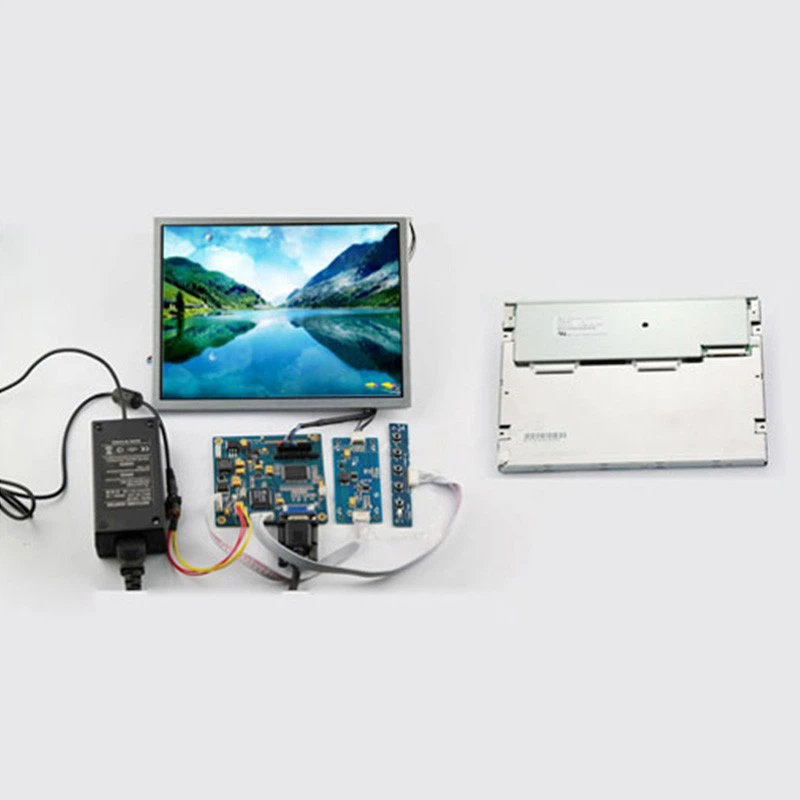
If you are interested in our LCD Panel Kits, please feel free to contact us. We are committed to providing you with the best products and services, and we look forward to discussing your LCD panel needs with you. Our team of experts is always ready to answer your questions and help you find the perfect solution for your application.
References
- Smith, J. (2020). Display Technology: Principles and Applications. Publisher XYZ.
- Johnson, A. (2019). Advances in LCD Coating Technologies. Journal of Display Science, Vol. 15, Issue 2.
- Brown, C. (2018). The Impact of Anti - Glare Coating on User Experience. User Interface Design Journal, Vol. 10, Issue 3.