


Hey there! As an LCD panel supplier, I often get asked about all sorts of features and components of LCD panels. One question that pops up quite a bit is about the anti - reflective coating on an LCD panel. So, let's dive right in and talk about what it is, why it matters, and how it benefits you.
What is an Anti - Reflective Coating?
An anti - reflective coating, or AR coating for short, is a thin layer applied to the surface of an LCD panel. Its main job is to reduce the amount of light that reflects off the panel. You know how sometimes when you're looking at an LCD screen, especially in a brightly lit room or outdoors, you can see your own reflection or the reflections of surrounding objects? That's where the AR coating comes in handy.
This coating works by interfering with the light waves that hit the surface of the panel. When light hits the panel without an AR coating, a significant portion of it bounces off, causing glare and making it difficult to see the content on the screen clearly. The AR coating is designed to have a specific refractive index. It creates a phase difference in the light waves, which causes them to cancel each other out to some extent when they reflect. This results in less reflected light and more light being transmitted through the panel, making the image on the screen clearer and easier to view.
Why is it Important?
There are several reasons why an anti - reflective coating is important for LCD panels.
Improved Visibility
First and foremost, it greatly improves the visibility of the screen. Whether you're using an LCD panel for a computer monitor, a TV, a digital signage display, or in a mobile device, glare can be a real nuisance. With an AR coating, you can see the content on the screen more clearly, even in bright environments. This is especially crucial for applications like outdoor digital signage, where the screen needs to be visible in direct sunlight.

Reduced Eye Strain
Glare can also cause eye strain. When you're constantly trying to look at a screen through a veil of reflections, your eyes have to work harder to focus on the content. This can lead to headaches, fatigue, and long - term vision problems. An AR coating reduces glare, which in turn reduces the amount of effort your eyes have to put in to view the screen. This makes it more comfortable to use the device for extended periods.
Enhanced Aesthetics
From an aesthetic point of view, an LCD panel with an AR coating looks better. Reflections can make the screen look unprofessional and distract from the content. By reducing these reflections, the screen appears cleaner and more polished, which is important for applications where the appearance of the display matters, such as in high - end retail displays or corporate presentations.
How is it Applied?
There are a few different methods for applying an anti - reflective coating to an LCD panel.
Vacuum Deposition
One common method is vacuum deposition. In this process, the LCD panel is placed in a vacuum chamber. The coating material, which is usually a metal oxide or a dielectric material, is heated until it vaporizes. The vapor then condenses on the surface of the panel, forming a thin, uniform layer. This method allows for precise control over the thickness and composition of the coating, which is important for achieving the desired anti - reflective properties.
Sol - Gel Coating
Another method is sol - gel coating. In this process, a liquid solution containing the coating material is applied to the surface of the panel. The solution then undergoes a chemical reaction, called a sol - gel transition, which turns it into a solid coating. Sol - gel coating is a relatively simple and cost - effective method, but it may not provide the same level of precision as vacuum deposition.
Types of Anti - Reflective Coatings
There are different types of anti - reflective coatings available, each with its own characteristics.
Single - Layer AR Coating
A single - layer AR coating is the simplest type. It consists of a single layer of coating material on the surface of the panel. While it can reduce reflections to some extent, it is not as effective as multi - layer coatings. Single - layer coatings are often used in less demanding applications or where cost is a major factor.
Multi - Layer AR Coating
Multi - layer AR coatings are more complex. They consist of multiple layers of different coating materials, each with a different refractive index. These layers work together to cancel out a wider range of light wavelengths, resulting in a more effective reduction of reflections. Multi - layer coatings are commonly used in high - end LCD panels, such as those found in professional monitors and high - quality TVs.
Our Offerings
As an LCD panel supplier, we offer a wide range of LCD panels with different types of anti - reflective coatings. Whether you need a single - layer coating for a budget - friendly solution or a multi - layer coating for a high - performance display, we've got you covered.
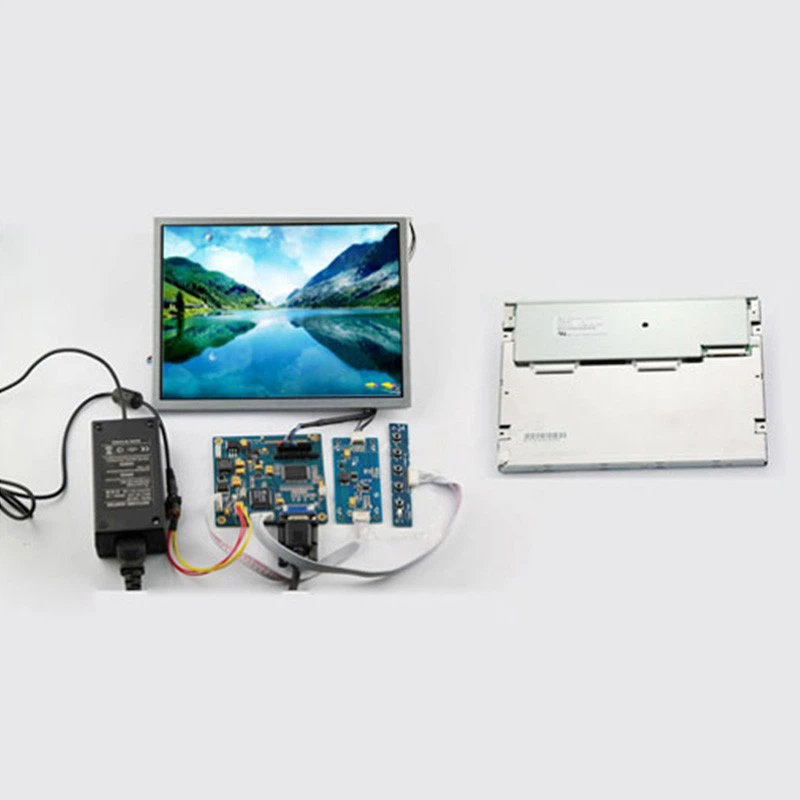
We also provide LCD Panel Kits that come with everything you need to set up your own LCD display. These kits are a great option for DIY enthusiasts, small businesses, or anyone looking for a convenient and cost - effective way to get an LCD panel up and running.
How to Choose the Right Anti - Reflective Coating
When choosing an anti - reflective coating for your LCD panel, there are a few factors to consider.
Application
The first factor is the application. If you're using the panel in a dimly lit environment, such as a home theater, a single - layer coating may be sufficient. However, if the panel will be used in a bright environment, such as an outdoor display or a corporate office with lots of windows, a multi - layer coating is probably a better choice.
Budget
Budget is also an important consideration. Multi - layer coatings are generally more expensive than single - layer coatings. You need to balance the cost with the level of performance you need.
Durability
The durability of the coating is another factor. Some coatings are more resistant to scratches, abrasions, and chemicals than others. If the panel will be exposed to harsh conditions or will be frequently handled, you may want to choose a coating with high durability.
Let's Talk Business
If you're in the market for LCD panels with anti - reflective coatings, or if you have any questions about our LCD Panel Kits, I'd love to hear from you. We have a team of experts who can help you choose the right panel and coating for your specific needs. Whether you're a large corporation looking to upgrade your digital signage or a small business owner looking for a new computer monitor for your office, we can provide you with high - quality products at competitive prices.
Don't hesitate to reach out to us to start a conversation about your procurement needs. We're here to make the process as smooth and hassle - free as possible.
References
- "Optics of Thin Films" by H. A. Macleod
- "Handbook of Display Technology" edited by John A. Robertson