


Hey there! As a supplier of LCD panels, I often get asked about all sorts of technical stuff. One question that pops up quite a bit is, "What is the color temperature of an LCD panel?" Well, let's dive right into it and break it down in a way that's easy to understand.
First off, color temperature is a concept that describes the color appearance of light. It's measured in Kelvin (K). You might be thinking, "Kelvin? That sounds like some fancy scientific term!" But it's really not that complicated. Think of it as a scale that tells you whether the light is more on the warm side (like the light from a candle) or the cool side (like the light on a cloudy day).
On the color temperature scale, lower values (around 2000K - 3000K) represent warm colors. These are the kind of colors you see in a cozy living room with soft, yellowish lights. They give a feeling of warmth and comfort. As the color temperature goes up, say to around 5000K - 6500K, the light starts to look more neutral, like the natural daylight you get on a clear day. And when we reach even higher values, like 9000K - 10000K, the light becomes cool, with a bluish tint.
So, how does this relate to LCD panels? Well, the color temperature of an LCD panel affects the way colors are displayed on the screen. A panel with a lower color temperature will make the colors look warmer. This can be great for things like watching movies at night or looking at photos that you want to have a more cozy feel. For example, if you're watching a romantic movie, a warmer color temperature can enhance the mood.
On the other hand, a panel with a higher color temperature will give a cooler, more bluish look. This can be useful in some professional settings, like graphic design or photo editing. When you're working on a project that requires accurate color representation, a cooler color temperature can help you see the colors more precisely.
Now, let's talk about how we, as an LCD panel supplier, deal with color temperature. We have different types of LCD panels with various color temperature settings to meet the needs of different customers. Whether you're a gamer who wants a vibrant and accurate color display, a designer who needs precise color calibration, or just someone who wants a nice screen for general use, we've got you covered.
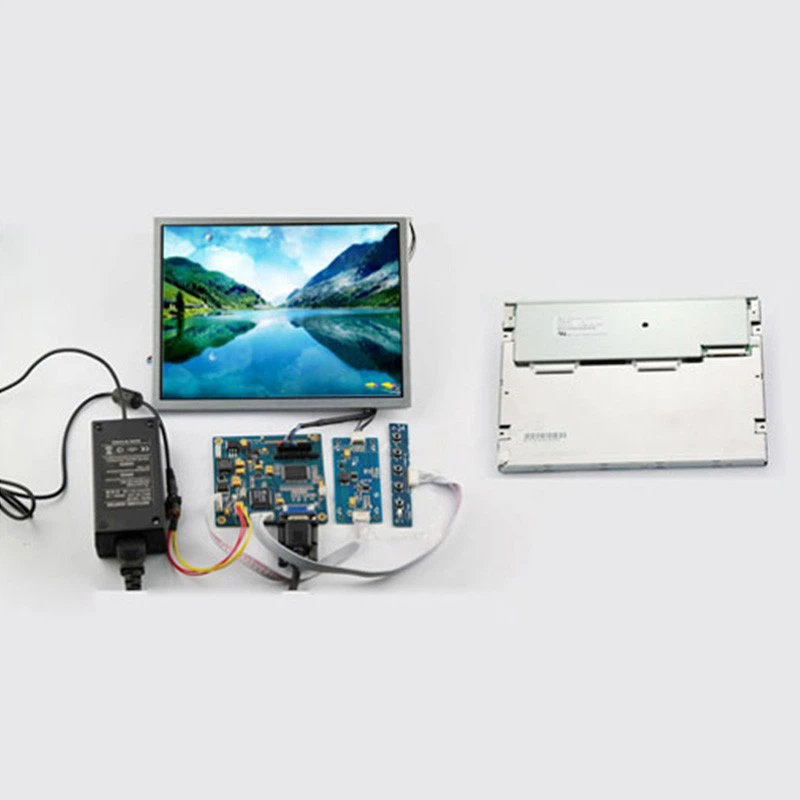
We also offer LCD Panel Kits. These kits are a great option for those who want to build their own displays or upgrade an existing one. They come with everything you need to get started, including the LCD panel, cables, and sometimes even a controller board.
When it comes to choosing the right color temperature for your LCD panel, it really depends on your personal preference and how you're going to use the screen. If you're not sure, we're here to help. Our team of experts can give you advice based on your specific requirements.
Let's take a closer look at some of the factors that can influence your decision. If you're using the LCD panel in a well - lit room, a higher color temperature might be better because it can make the colors stand out more against the ambient light. But if you're using it in a dimly lit environment, a lower color temperature can be more comfortable for your eyes.

Another thing to consider is the content you'll be viewing. If you're mainly watching videos or playing games, you might want to experiment with different color temperatures to see which one gives you the best experience. Some games have a specific color palette that might look better with a certain color temperature.
For those who are into photography or graphic design, color accuracy is crucial. You'll probably want to choose an LCD panel with a color temperature that can be easily calibrated to match industry standards. This ensures that the colors you see on the screen are as close as possible to the real - life colors.
Now, I know all this technical talk can be a bit overwhelming. But don't worry! We're here to make the process as easy as possible for you. Whether you're a tech enthusiast or just someone looking for a new screen, we can guide you through the selection process.
If you're interested in our LCD panels or LCD Panel Kits, we'd love to hear from you. We can have a chat about your needs, answer any questions you might have, and even provide you with a quote. Just reach out to us, and we'll get the ball rolling.
In conclusion, the color temperature of an LCD panel is an important factor that affects the way colors are displayed on the screen. It can enhance your viewing experience, whether you're watching a movie, working on a project, or playing games. As an LCD panel supplier, we offer a wide range of options to meet your needs. So, if you're in the market for a new LCD panel or want to build your own display, don't hesitate to contact us. We're here to help you find the perfect solution.
References
- "Color Temperature Basics" - General lighting knowledge resources
- "LCD Panel Technology and Color Display" - Industry - specific technical literature