


Hey there! I'm a supplier of LCD panels, and I've been in this industry for quite a while. Over the years, I've seen firsthand how the price of an LCD panel can fluctuate. So, I thought I'd share with you some of the factors that affect the price of an LCD panel.
1. Size of the LCD Panel
One of the most obvious factors is the size of the panel. Generally speaking, the larger the LCD panel, the higher the price. This is because larger panels require more raw materials and more complex manufacturing processes. For example, a 10 - inch LCD panel will cost less than a 32 - inch one. The production of a bigger panel means more glass substrate, more liquid crystal material, and a larger backlight unit. All these additional materials and components drive up the cost.
Manufacturing a large - sized panel also has a higher risk of defects. If there's a flaw in the panel during the production process, a significant amount of resources have been wasted. So, manufacturers often charge a premium for larger panels to cover these potential losses.
2. Resolution
Resolution is another key factor. Higher resolution panels, like those with 4K (3840×2160 pixels) or even 8K (7680×4320 pixels) resolution, are more expensive. A higher resolution means more pixels are packed into the same area. To achieve this, more advanced manufacturing techniques are required.
For instance, to produce a high - resolution panel, the manufacturers need to use more precise lithography processes to create the tiny transistors and circuits for each pixel. The cost of the equipment and the expertise needed for these processes are quite high. Also, testing high - resolution panels is more time - consuming and complex, which adds to the overall cost.
3. Display Technology
There are different types of display technologies used in LCD panels, such as TN (Twisted Nematic), IPS (In - Plane Switching), and VA (Vertical Alignment). Each technology has its own characteristics and price points.
TN panels are the most basic and cheapest. They have fast response times but poor viewing angles and color accuracy. On the other hand, IPS panels offer excellent color reproduction and wide viewing angles. However, the manufacturing process of IPS panels is more complex, which makes them more expensive. VA panels fall somewhere in between. They have better contrast ratios than TN panels and are more affordable than IPS panels in some cases.
The development and improvement of these display technologies also contribute to the price. Newer and more advanced technologies often come with a higher price tag as the research and development costs need to be recouped.
4. Backlighting
The type of backlighting used in an LCD panel can significantly affect its price. There are two main types: CCFL (Cold Cathode Fluorescent Lamp) and LED (Light - Emitting Diode).

CCFL backlighting was the traditional method used in LCD panels. It's relatively inexpensive, but it has some drawbacks. CCFLs consume more power, have a shorter lifespan, and are not as thin as LED backlights. LED backlighting, on the other hand, is more energy - efficient, has a longer lifespan, and allows for thinner panel designs.
There are also different types of LED backlighting, such as edge - lit and direct - lit. Edge - lit LED backlighting is more common and less expensive as it uses fewer LEDs. Direct - lit LED backlighting provides more uniform illumination and better contrast, but it requires more LEDs and a more complex design, so it's more costly.
5. Quantity of Purchase
As a supplier, I can tell you that the quantity of panels you order matters a lot. If you're buying a small number of LCD panels, say just a few for a personal project, you'll likely pay a higher price per unit. This is because the fixed costs associated with production, such as setup costs and administrative expenses, are spread over a smaller number of units.
However, if you're a large - scale buyer, like a company that needs thousands of panels for its products, you can get a better price per unit. Manufacturers are often willing to offer discounts for bulk orders as they can benefit from economies of scale. They can produce the panels more efficiently, reduce waste, and save on transportation and storage costs.
6. Market Demand and Supply
The basic economic principle of supply and demand also plays a huge role in determining the price of LCD panels. When the demand for LCD panels is high and the supply is low, the prices go up. For example, during the holiday season, there's usually a spike in the demand for consumer electronics that use LCD panels, such as TVs and monitors. This increased demand can lead to a shortage of panels in the market, causing prices to rise.
Conversely, when the supply of LCD panels exceeds the demand, prices tend to drop. This can happen when new manufacturing facilities come online, increasing the overall production capacity. Or, if there's a slowdown in the consumer electronics market, the demand for panels decreases, and manufacturers may have to lower their prices to clear their inventory.
7. Quality and Brand
The quality of an LCD panel can vary significantly. High - quality panels are more expensive as they are made with better materials and undergo more rigorous quality control processes. A high - quality panel will have fewer defects, better color accuracy, and a longer lifespan.
Brand also matters. Well - known brands often charge a premium for their products. Consumers are willing to pay more for a brand they trust because they believe they're getting a better - quality product and better after - sales service. For example, a panel from a well - established brand may cost more than a similar panel from a lesser - known brand, even if the technical specifications are the same.
8. Additional Features
Some LCD panels come with additional features that can increase their price. For example, panels with touch - screen functionality are more expensive than non - touch panels. The touch - screen technology adds an extra layer of complexity to the panel, including the need for touch sensors and the associated circuitry.
Anti - glare coatings, high - brightness levels, and wide color gamuts are also features that can drive up the price. These features are often in demand for specific applications, such as professional photo and video editing, where color accuracy and high brightness are crucial.
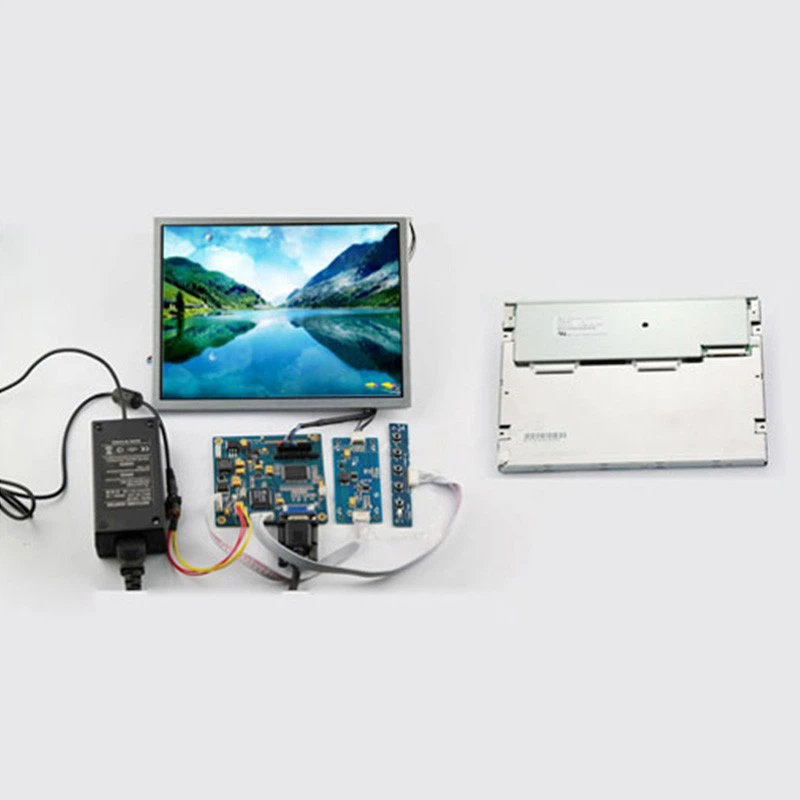
If you're in the market for LCD panels, I'd recommend checking out our LCD Panel Kits. They offer great value for money and come in a variety of sizes and specifications to meet your needs.
Whether you're a small - scale buyer or a large - scale manufacturer, we're here to help you find the right LCD panels at the best price. If you're interested in purchasing LCD panels, feel free to reach out to us for a quote and to discuss your specific requirements. We can provide you with detailed information about our products and help you make an informed decision.
References
- "Fundamentals of Flat Panel Displays" by F. J. DiSanto
- "Display Technology Handbook" edited by John C. C. Fan