


The reliability and performance of industrial control computers are crucial in modern industrial automation and control systems. These devices must be able to operate stably in harsh environments while ensuring high efficiency and accuracy. Therefore, conducting thorough product testing on industrial control computers is a key step in ensuring their quality and stability. The following are the top ten considerations in product testing, aimed at helping manufacturers and end users ensure optimal performance and reliability of their devices.
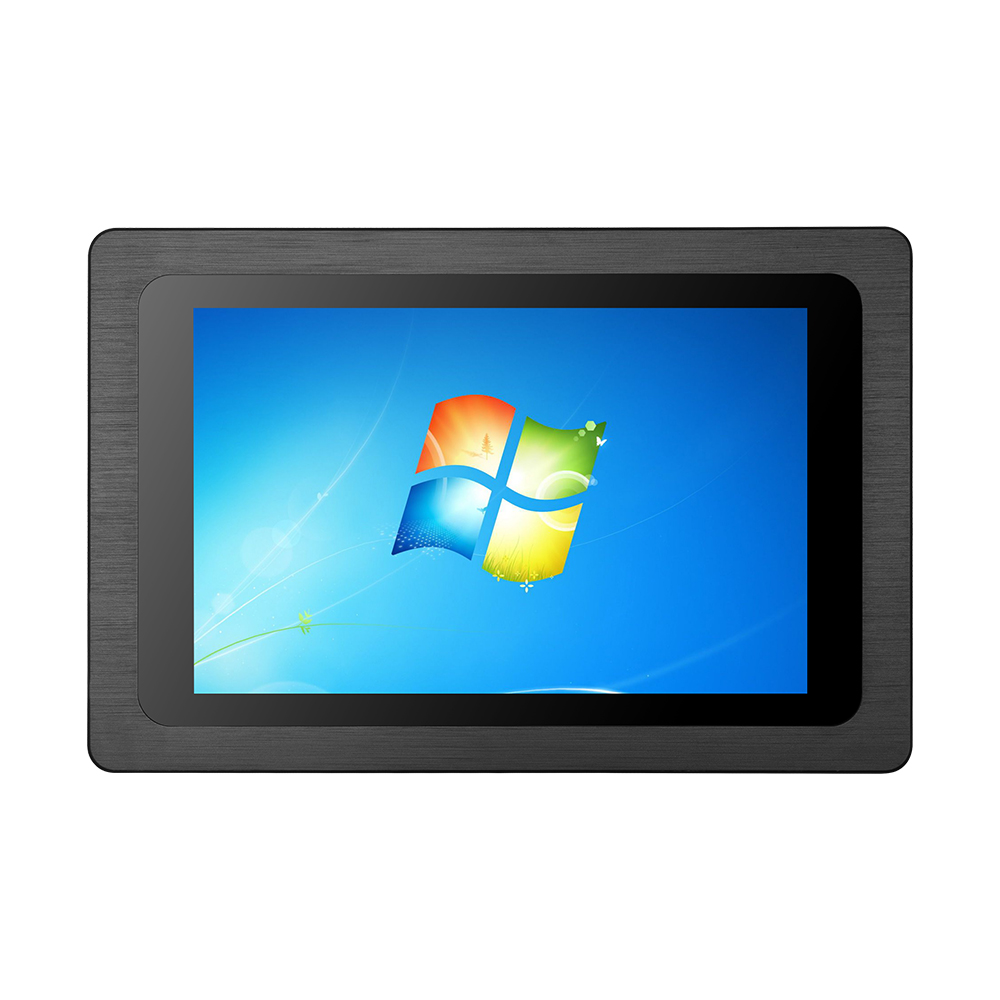
Environmental adaptability testing: Industrial control computers are usually deployed under extreme conditions such as temperature, humidity, vibration, and dust. Conduct environmental adaptability testing to ensure that the equipment can operate stably in its expected usage environment.
Electromagnetic compatibility (EMC) testing: In industrial environments with dense electrical noise, electromagnetic compatibility becomes a necessary factor to consider. Conduct EMC testing to ensure that the device does not interfere with other devices and can also resist external interference.
Long term stability and reliability testing: Through long-term continuous operation testing, simulate the long-term operating conditions that the equipment may encounter in practical applications, ensuring that the equipment can maintain stability and reliability even after long-term operation.
Interface and compatibility testing: Industrial control computers need to be used in conjunction with various external devices and software. Test all expected interfaces and software compatibility to ensure seamless integration of the device into existing systems.
Performance testing: Evaluate the processing speed, data transmission rate, and response time of devices to ensure they meet the requirements of specific applications.
Security testing: Conduct comprehensive testing on the physical and network security of devices to ensure data security and prevent unauthorized access.
User interface and usability testing: For industrial computer all-in-one machines equipped with touch screens or other user interfaces, test their usability to ensure that end users can easily operate and maintain them.
Energy consumption testing: In today's era where energy efficiency is increasingly valued, testing equipment's energy consumption ensures that it can maintain high energy efficiency while providing necessary performance.
Cooling system testing: Industrial control computers often run in fanless or confined spaces. Testing the cooling system is necessary to ensure that the device does not overheat when operating at full load.
Backup and recovery testing: Verify the equipment's ability to recover in the event of unexpected situations such as failures or power outages, ensuring that data is not lost and the system can quickly resume operation.
By conducting comprehensive product testing on industrial control computers, manufacturers and users can ensure that the equipment can maintain the highest performance and reliability even under the most demanding conditions. Choosing equipment that meets high standard testing requirements is key to ensuring successful and sustained stable operation of industrial applications.