


Choosing the right high brightness monitor manufacturer is an important decision for OEM brands, equipment manufacturers, and industrial system integrators. A monitor designed for bright environments must do more than produce a strong backlight. It needs to maintain clear images, stable performance, and reliable operation under different lighting and environmental conditions.
For buyers sourcing high brightness monitors from China, finding a manufacturer with strong engineering capabilities, consistent quality control, and flexible OEM/ODM services can make a significant difference to the final product.
Whether you are developing outdoor kiosks, industrial control systems, marine equipment, or transportation displays, this guide explains what to look for before choosing a high brightness monitor manufacturer.
Does the Manufacturer Offer the Right Brightness Levels?
Brightness is one of the first specifications buyers should evaluate. It is usually measured in nits, also known as cd/m². The higher the value, the more light the screen produces.
However, not every project needs the same brightness level.
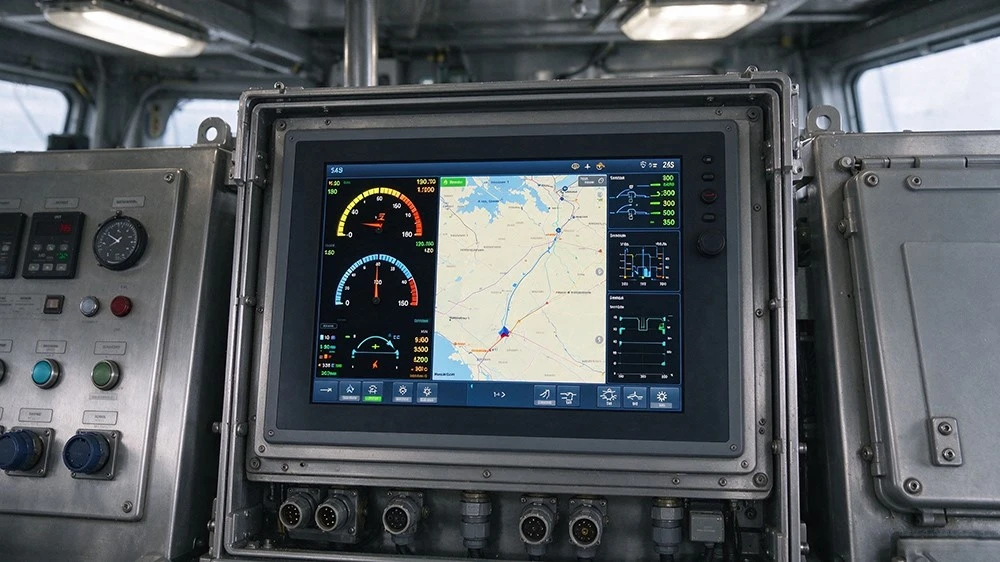
Match Brightness to the Application
Consider the following general ranges when comparing suppliers:
| Application | Suggested Brightness |
|---|---|
| Standard indoor environments | 250–400 nits |
| Bright industrial environments | 400–700 nits |
| Semi-outdoor applications | 700–1,000 nits |
| Outdoor daylight applications | 1,000–1,500+ nits |
These are reference ranges rather than fixed requirements. Direct sunlight, viewing angles, screen reflections, and installation conditions can all affect readability.
Ask About Actual Display Brightness
An important question is whether the manufacturer's brightness specification refers to the bare LCD panel or the completed monitor.
Touchscreens, protective glass, and optical bonding can affect the brightness that reaches the viewer.
A reliable manufacturer should provide clear specifications and explain how brightness is measured. Buyers should also request sample testing before confirming a large order.
Can the Monitor Remain Readable Under Direct Sunlight?
High brightness alone does not guarantee good outdoor visibility. Reflections from sunlight can make screen content difficult to read, even when the backlight is powerful.
Professional manufacturers should understand the optical technologies needed to improve sunlight readability.
Optical Bonding Technology
Optical bonding uses transparent adhesive to eliminate the air gap between the LCD and cover glass or touch panel. This helps reduce internal reflections and can improve image contrast.
It is particularly useful for outdoor monitors, marine displays, and equipment exposed to changing temperatures.
Anti-Glare and Anti-Reflective Glass
Buyers should also ask about surface treatments:
- Anti-glare (AG): Diffuses reflected light to reduce distracting glare.
- Anti-reflective (AR): Reduces surface reflections and helps preserve image clarity.
- Anti-fingerprint (AF): Reduces visible fingerprints and makes frequently touched screens easier to maintain.
The right combination depends on the application. Ask the manufacturer to recommend a suitable optical solution and provide samples for comparison.
Does the Manufacturer Have Strong OEM/ODM Customization Capabilities?
For overseas brands and equipment manufacturers, standard products may not meet every project requirement. Customization is often one of the most important reasons to work directly with a factory.
Before choosing a high brightness monitor manufacturer, check whether it can support the following requirements.
Hardware and Mechanical Customization
A capable OEM manufacturer should offer options such as:
- Screen sizes from compact displays to large industrial monitors.
- Custom brightness levels and LED backlight solutions.
- Capacitive or resistive touchscreens.
- Customized housing materials and colors.
- VESA mounting, panel mounting, and open-frame designs.
- HDMI, VGA, DisplayPort, and other interface options.
Electrical and Environmental Requirements
Different applications may require customized power inputs, cable connections, operating temperatures, and waterproof structures.
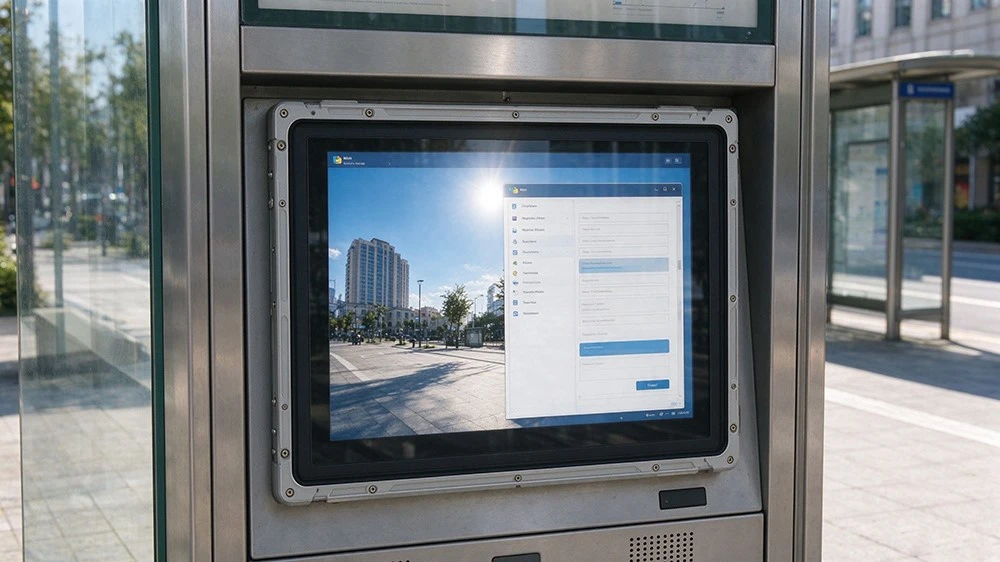
For example, a marine display may need high brightness, waterproof connectors, and corrosion-resistant materials. An outdoor kiosk may require optical bonding, sunlight-readable glass, and a durable enclosure.
A manufacturer with in-house engineering support can help turn these requirements into a practical product design.
How Reliable Is the Manufacturer's Product Quality?
Product reliability directly affects your brand reputation and after-sales costs. A monitor that performs well during initial testing may still experience problems after months of continuous operation.
Buyers should evaluate the manufacturer's quality control process before placing an order.
Check Key Quality and Reliability Tests
Ask whether the factory performs relevant tests, including:
- Aging tests to evaluate continuous operation.
- High- and low-temperature tests.
- Touchscreen response and durability tests.
- Vibration and shock testing when required.
- Electrical safety and performance checks.
- Dust and water protection testing for applicable models.
If the monitor is designed for outdoor or industrial applications, check whether the manufacturer can provide relevant IP protection test reports.
Also confirm whether CE, FCC, and RoHS documentation is available when required for your target market. Certification should be verified against the actual product model and configuration.
Can the Manufacturer Support Long-Term Production?
For B2B buyers, choosing a supplier is not just about receiving the first shipment. You also need a manufacturer that can support repeat orders and future product development.
Consider these questions:
- How long has the manufacturer been operating?
- Does it have its own production and engineering teams?
- Can it maintain consistent specifications between batches?
- Does it have a clear quality inspection process?
- Can it provide replacement parts and technical support?
- How does it manage component changes and product lifecycle?
A factory with established manufacturing experience and stable supply chain management can help reduce sourcing risks.
It is also important to discuss production lead times, minimum order quantities, sample policies, warranty terms, and communication procedures before signing an agreement.
Why Consider Hengstar as Your High Brightness Monitor OEM Partner?
Hengstar is a China-based factory focused on industrial computers and display solutions, providing OEM services for European and American brands.
Founded in 2004, Hengstar has more than 20 years of professional experience in product development and manufacturing. The company integrates R&D, production, and sales to support customers with different industrial display requirements.
Flexible Customization for Different Applications
Hengstar supports customized industrial display solutions based on project requirements, including:
- High brightness LCD monitors for indoor and outdoor applications.
- Customized screen sizes and display configurations.
- Touchscreen integration and optical bonding options.
- Custom housing, mounting structures, and interfaces.
- Industrial display and embedded computer solutions.
These products can be developed for industrial automation, outdoor kiosks, marine equipment, transportation systems, and other specialized applications.
Engineering Support from Design to Production
For OEM customers, product development involves more than selecting a display panel. Mechanical dimensions, brightness, touch performance, power requirements, and environmental protection must work together.
Hengstar provides engineering support throughout the customization process, from initial design discussions and sample development to production and after-sales service.
For overseas brands, working directly with an experienced factory can also make communication, specification adjustments, and future product development more efficient.
7. What Should Buyers Check Before Placing an Order?
Before selecting a high brightness monitor manufacturer, prepare a clear project specification.
Your checklist should include:
- Application environment: Indoor, outdoor, direct sunlight, or industrial use.
- Display specifications: Screen size, resolution, brightness, and viewing angle.
- Optical requirements: Optical bonding, AG, AR, or protective glass.
- Touch requirements: Capacitive, resistive, glove operation, or multi-touch.
- Mechanical design: Housing, dimensions, mounting, and connectors.
- Quality requirements: Operating temperature, IP rating, and relevant certifications.
- Commercial terms: MOQ, lead time, warranty, and long-term supply.
Most importantly, request a working sample and test it under conditions similar to the final installation environment. This is one of the best ways to avoid unexpected performance issues after mass production.
Conclusion
Choosing a high brightness monitor manufacturer requires more than comparing prices and brightness specifications. Buyers should evaluate optical technology, customization capabilities, manufacturing quality, technical support, and long-term production capacity.
A reliable OEM partner should understand your application and provide solutions that match your technical and commercial requirements.
With more than 20 years of industrial display manufacturing experience, Hengstar supports overseas brands and equipment manufacturers with customized high brightness monitors and industrial computer solutions. Selecting the right manufacturing partner can help your business build more reliable products and maintain a competitive position in the global market.
Frequently Asked Questions
1. How many nits does a high brightness monitor need for outdoor use?
For many outdoor applications, 1,000–1,500 nits is a useful starting point. Direct sunlight may require higher brightness or additional optical technologies. The final specification should be confirmed through real-world testing.
2. What is the difference between a standard monitor and a high brightness monitor?
A high brightness monitor uses a stronger backlight to improve visibility in bright environments. It may also include optical bonding, anti-glare glass, and enhanced thermal management for more demanding applications.
3. Can a high brightness monitor manufacturer provide OEM customization?
Yes. Professional OEM manufacturers can customize screen size, brightness, touch technology, housing, mounting structures, interfaces, and other specifications according to project requirements.
4. What industries use high brightness monitors?
Common applications include industrial automation, outdoor kiosks, marine equipment, transportation systems, medical equipment, military systems, and outdoor digital signage.
References
Hengstar – Custom Sunlight Readable Monitor Design Guide.
IDS Display – How to Choose an Industrial Display for Your OEM Product.
Ocular – Sunlight Readability and Durability.
Densitron – How to Choose an Industrial Monitor for Demanding OEM Applications.